Friday, March 16, 2012

AirAsia Begins Flights to Kalibo (Gateway to Boracay) in the Philippines, But ...

AirAsia recently announced flights to Kalibo (gateway to Boracay island) and Davao in the Philippines. However, there's a catch ... the flights are from Clark Airport in Manila, NOT from its hub in LCCT, Kuala Lumpur (KL).

So if you're in KL and planning a beach holiday to Boracay, you'd need to fly KL - Manila - Kalibo. From Kalibo you'd need to travel to the jetty and then take the boat to Boracay island.

And here's another sucky thing to consider: currently there's only one flight daily from KL to Manila that leaves early in the morning, and two flights daily from Manila to Kalibo. If you're planning to fly into Manila and then to Kalibo on the same day, the best option is to take the early morning flight into Manila and the afternoon connecting flight to Kalibo. However, if there are no boats from the jetty to Boracay island in the evening, then you would have to spend a night (more expenses) in Kalibo before taking the boat to Boracay the next morning.

To me, this is all just too much hassle, especially just to enjoy an island when Malaysia is already blessed with numerous beaches and islands that can rival that of Boracay, or even better than Boracay.

I think when it comes to island holidays, I'd stick to good old Malaysia or even the islands in Thailand where the journey to tropical paradise is only a flight away.

Groupon has also jumped on the bandwagon and started offering snorkelling packages in Boracay. I think there were hotel packages too.


But I don't think the people who bought these packages know what a hassle it is to get to Boracay from KL by flying AirAsia. Or they may have other means to get to Boracay.

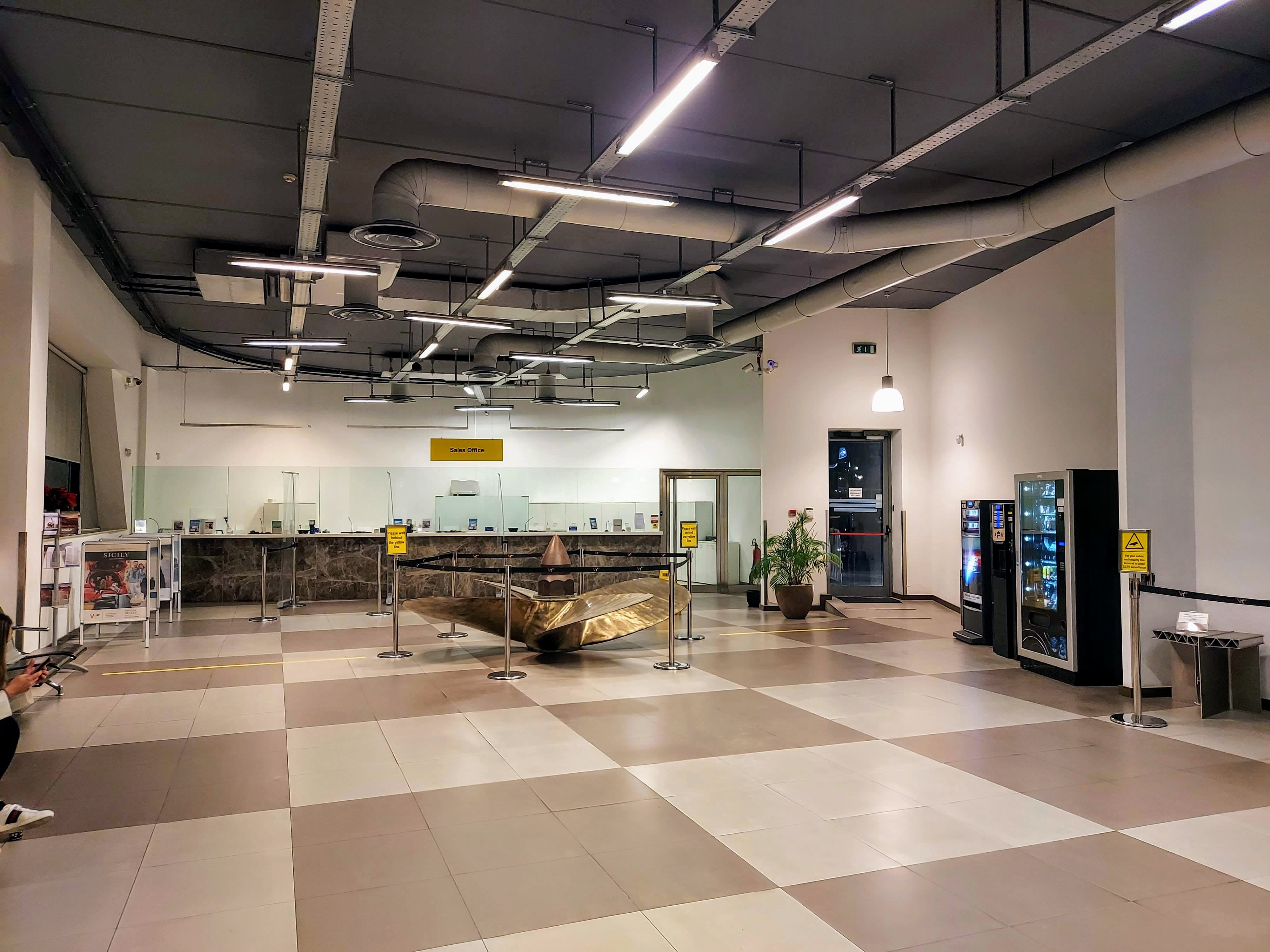
To conclude this blog post, here's some souvenirs brought back by a colleague who was in the Philippines recently for a working trip:


Tuesday, March 13, 2012

Beneath The Louvre's Glass Pyramid

I've always wondered what lies beneath the The Louvre's glass pyramid. I've seen numerous photos of it, but hardly any reveals what lies beneath it. Is it just a structure to make The Louvre's compound look pretty?

So when I was in Paris in November last year, I made it a point to visit The Louvre to find out what lies beneath its iconic glass pyramid.

The glass pyramid has become synonymous with The Louvre, giving the museum its identity. It's like looking at the Eiffel Tower and you know for sure it's Paris. 


The glass pyramid is actually an entrance into The Louvre:

The Louvre is one of the most popular museums in the world, so expect queues that goes on forever. 


When you reach the entrance of the pyramid, you'll need to scan your bag before entering the museum.


Now here's the revelation on what lies beneath the pyramid:

Tadaaaa .... It's the lobby ... There's a separate wing on each side of the lobby that leads to different sections of The Louvre. 


Look up and admire the sky from beneath the pyramid. I love that natural light fills the museum. 


So the mystery of what lies beneath The Louvre's glass pyramid has been solved, not that it's a huge mystery anyway ;-)


Saturday, March 10, 2012

Egyptian Culture in France

France conquered Egypt between 1798 and 1801. During that period, France's greatest military leader, Napolean Bonaparte became extremely fascinated with the wonders of Egypt that he ordered various scholars to study its treasures. Their extensive research resulted in a series of publication called Description de l'Egypte (English translation: Description of Egypt).

Napolean's discoveries in Egypt gave rise to a fascination for ancient Egyptian culture and the birth of Egyptology in Europe. This is probably why I saw a few Egyptian culture in France like this statue in Versailles:

This statue has a fusion flavour to it - top part is decked in Egyptian regalia, whereas the bottom part is dressed like a Greek goddess. I almost missed this statue because it's small.


And this obelisk in Place de la Concorde, Paris:

Night shots are difficult to snap as they turn out blurred most of the time. Luckily you can still see that this is an obelisk :P


But the most obvious Egyptian influence in France would probably be the popular glass pyramid at The Louvre Museum:

The glass pyramid at The Louvre has also become popular due to Dan Brown's best selling novel, The Da Vinci Code.


The next time you visit France, watch out and see if you can spot any more Egyptian culture. They may be right in front of your eyes like the glass pyramid at The Louvre, or hidden in a corner like that small statue in Versailles.


LinkWithin

Related Posts with Thumbnails